ESAF Foundation Communications
8 June 2025
FEATURE
How ESAF Foundation Is Weaving Collective Power into Indian Agriculture
ESAF Foundation Communications
8 June 2025
This feature highlights ESAF Foundation’s work with Farmer Producer Organisations across nine states. It explores how collective strength, local entrepreneurship, and market integration are helping small and marginal farmers turn agriculture into a viable, resilient livelihood.
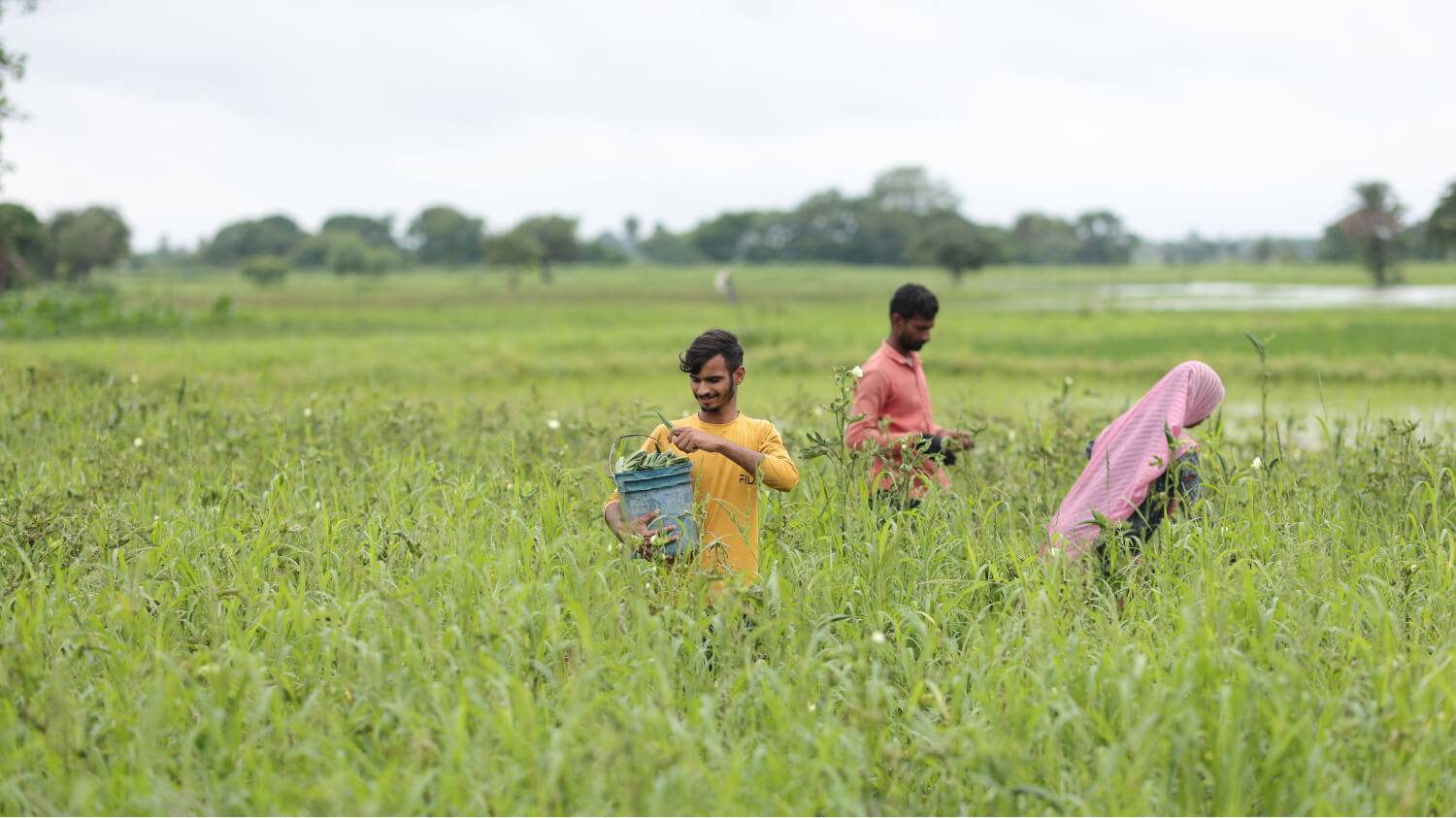
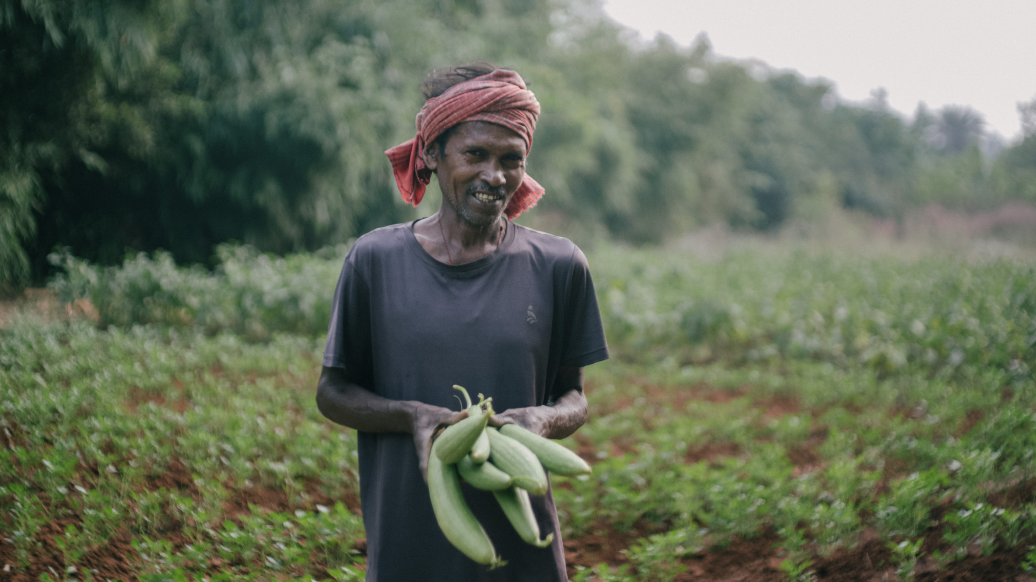
In a field ringed with coconut palms, a farmer sharpens his sickle before sunrise. In the village square, a woman tallies turmeric sales against her ledger. Beneath a banyan tree, a group of farmers leans over plastic chairs, debating pests, prices, and procurement plans. These are part of a deeper rhythm of livelihoods rooted in the soil and of a rural economy ready to rise when its parts are woven into a whole.
This is where Farmer Producer Organisations (FPOs) step in—as a hinge between agriculture and enterprise. In India, where nearly 70% of the population is still connected to agriculture, FPOs are becoming quiet enablers of transformation. They reduce fragmentation, amplify farmer voices, and create the social and economic infrastructure that turns perishable harvests into sustainable livelihoods.
Why FPOs Matter
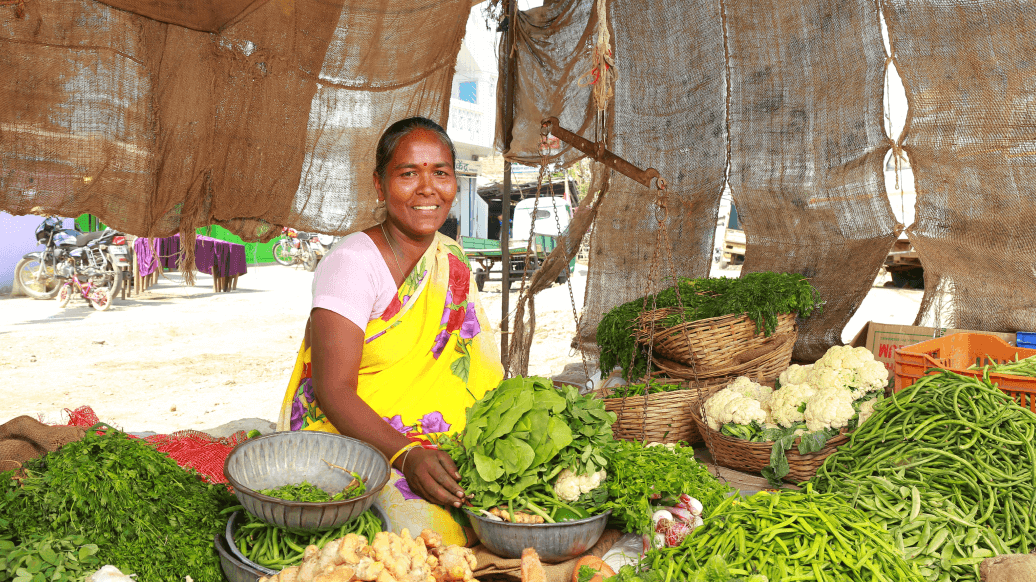
A small farmer working alone is vulnerable to erratic rainfall, rising input costs, and middlemen. But through an FPO, she negotiates, plans, aggregates, stores, and sells with strength. She accesses credit, infrastructure, and markets. Her produce travels farther, lasts longer, and earns better value.
India is already the world’s second-largest food producer, and with output expected to double in the coming decade, linking agriculture to industry is crucial. FPOs reduce post-harvest losses, extend shelf life, stabilise prices, and open pathways to value addition and job creation. Both farmers and consumers benefit.
This vision has historical roots.
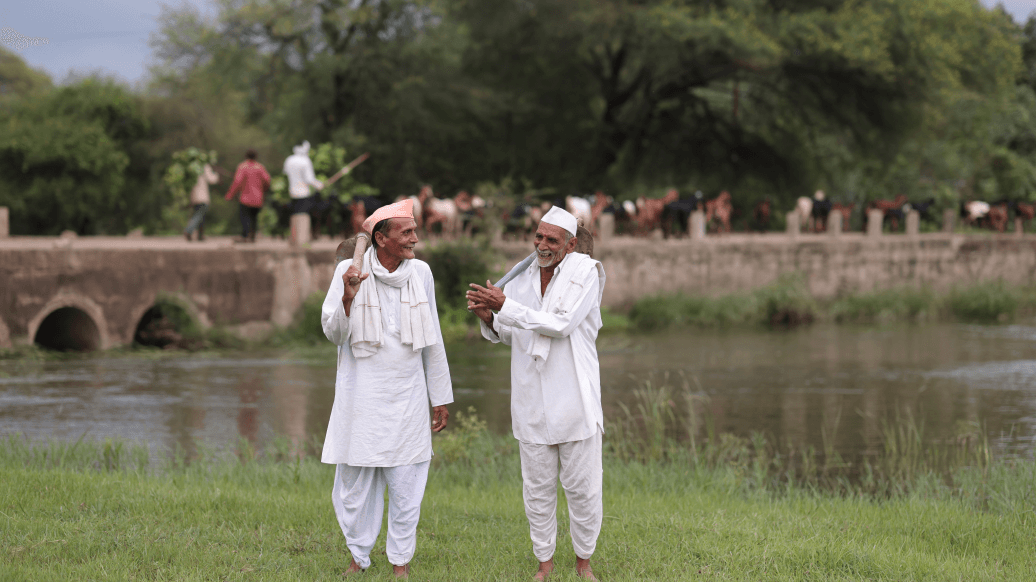
Long before “FPO” entered policy vocabulary, Verghese Kurien showed what cooperative strength could be built through milk. Women with one cow found income and agency through shared infrastructure. Kurien’s model was a blueprint for rural equity and resilience. Today’s FPOs walk in that legacy.
Since 2014, ESAF has helped promote 129 FPOs across nine states—110 registered under the Companies Act and 17 under cooperative laws. These are women-led collectives in tribal regions, clusters running custom hiring centres, and networks moving seed, fertiliser, and produce across states.
At their best, FPOs turn agriculture from gamble to enterprise—anchoring farmers to markets, employment, and possibility. ESAF’s network, rooted in land and led by farmers, is helping grow that future, one field at a time.
A Grounded Architecture: What ESAF Builds, Layer by Layer
ESAF builds each FPO like a house, beam by beam. The foundation is formation and leadership.
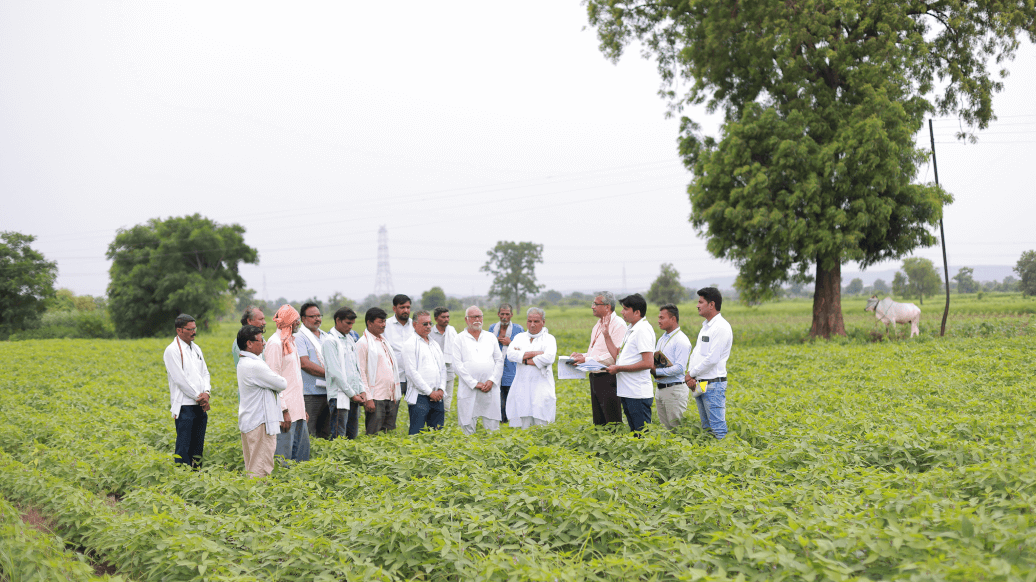
As an empanelled Cluster-Based Business Organisation (CBBO) in eight states, ESAF begins by bringing farmers together and then guiding them to lead. Members are trained in governance, finance, and enterprise management. In village halls and shaded courtyards, farmers become board members, treasurers, and strategic thinkers.
Then comes the soil. In ESAF Foundation’s organic farming sessions, farmers relearn how to read the earth. Soil health camps bring science into the furrow, testing, restoring, reviving. Compost, bio-inputs, and native seeds form the language of a regenerative future.
Capital follows. With ESAF Foundation’s help, FPOs access credit to scale through government schemes and local investment.
And finally, the markets.The Foundation helps FPOs step beyond the local haat into structured value chains. They learn to aggregate produce, manage inventory, forecast demand, and negotiate from strength.
The results are tangible. Today, over 85,000 farmers are part of ESAF Foundation-supported FPOs. Their collective turnover has crossed ₹19.5 crore. These translate into school fees paid, pipes installed, and roofs repaired.
Strengthening the Rural Web
Farming does not end at the farmgate. Rural life pulses through milk cans, irrigation pipes, veterinary kits, nursery trays, and price whispers at the mandi. ESAF Foundation recognises this and builds better farms and scaffolding that holds rural livelihoods upright.
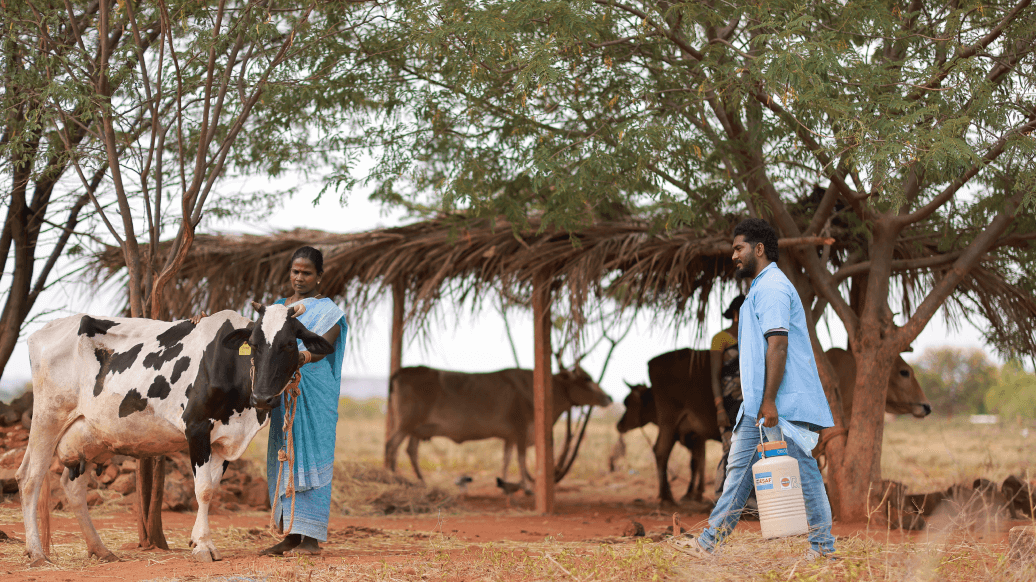
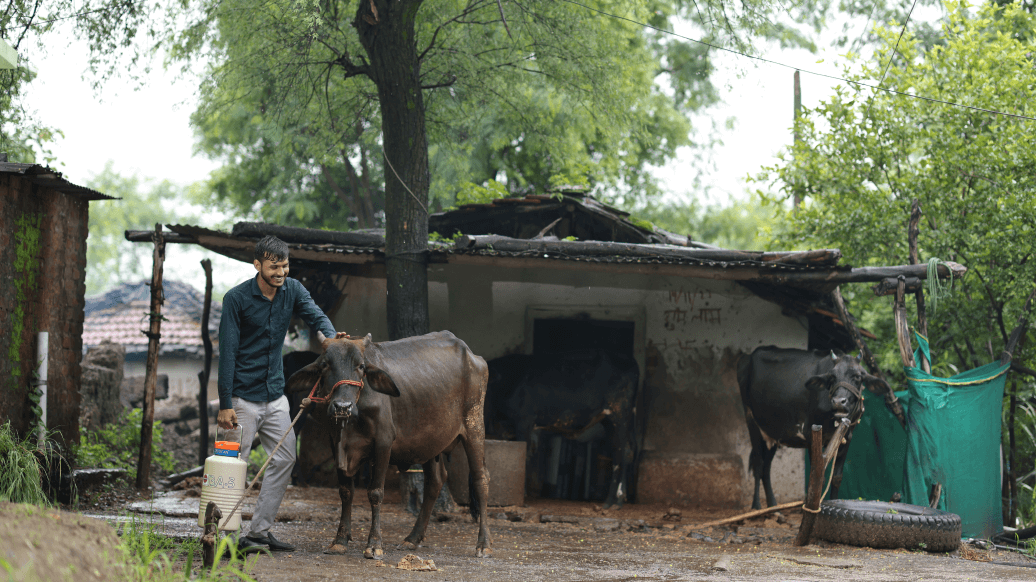
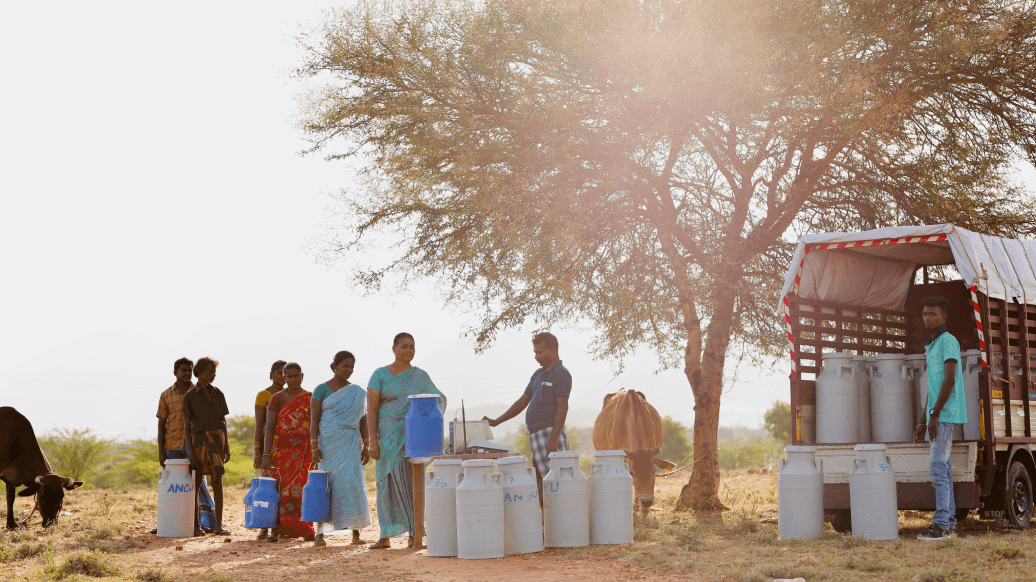
Milk is impatient. It needs cold chains, fair pricing, and timely collection. With Dairy Transformation Hubs (DTH), ESAF Foundation and Partners Worldwide USA are rebuilding the dairy value chain from the ground up: standardised pricing, value addition, dairy entrepreneurship, and scale. Where middlemen once skimmed profits, small and marginal farmers now tap structured markets.
Behind this shift are Pashumitras—young, local, trained.
Armed with AI kits and field knowledge, over 150 Pashumitras serve 6,000+ farmers through artificial insemination, breed improvement, and doorstep dairy care. They carry not just services, but trust, and earn income and respect in return.
If Pashumitras tend animals, Krushakmitras walk the soil. More than 200 of them, trained in agri-entrepreneurship, soil health, and nursery management, now serve over 15,000 farmers.
Infrastructure and Identity: Building FPOs That Last
Training sows the seed. But to grow a collective into a thriving enterprise takes more—branding, bargaining, cold chains, and confidence.
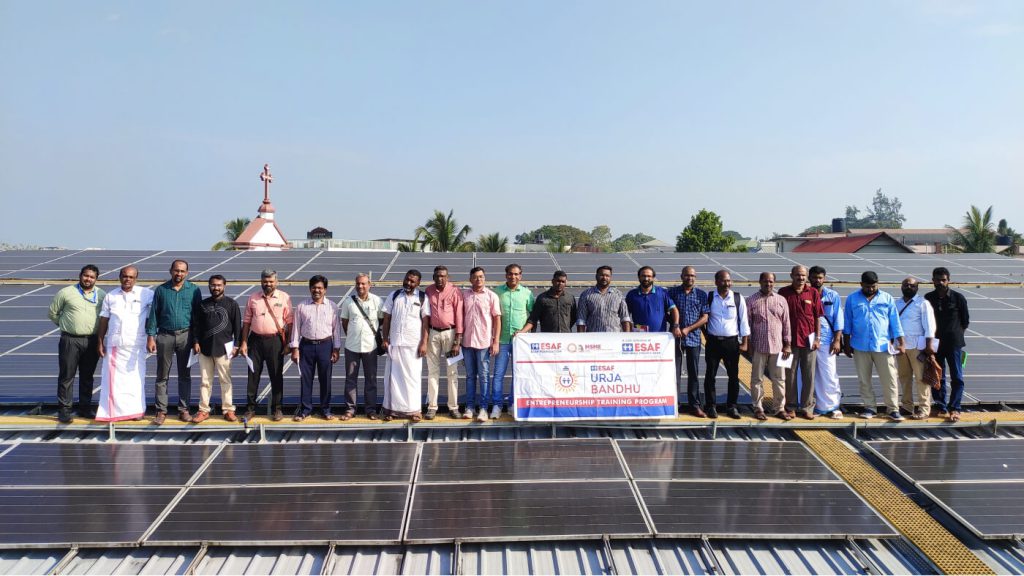
Through its Capacity Building and Market Linkages programme, backed by ESAF Small Finance Bank’s CSR, ESAF Foundation turns farmers into entrepreneurs. They learn to pitch, to price, and to package with market-ready precision.
In 2021–22 alone, 110 FPO representatives joined buyer-seller meets, unlocking over 1,500 tonnes of fresh vegetable sales. Milk chilling units with a 3,000-litre daily capacity were set up, ensuring last-mile preservation.
But ESAF is not stopping at transactions.
The newly launched Bharat Centre of Excellence for Collective Enterprises (BCECE) brings national vision to rural enterprise. Its mission: equip FPOs with strategic clarity and operational confidence, so that collectives become lasting institutions.
Growing Together: Opportunities to Join
The sowing continues.
Each initiative is a platform. For farmers, yes—but also for funders, state actors, and institutions invested in equitable growth. Because ESAF’s work is about cultivating strength from below, rooted in land, strengthened by skill, and shared in collective dignity.
Reference
Kumar, B., & Sohanlal. (2022). History of food processing industry and recent development in India. International Journal of Research in Finance and Management, 5(2), 216–221. https://www.allfinancejournal.com/article/view/171/5-2-36