ESAF Foundation Communications
7 June 2025
FEATURE
Rebuilding Lives on the Frontlines of India’s Recurring Disasters
ESAF Foundation Communications
7 June 2025
Across nearly two decades, ESAF Foundation has responded to disasters with speed, sensitivity, and staying power. This feature traces its evolving approach, from emergency relief to long-term recovery, through partnerships that reinforce resilience in India’s most vulnerable regions.
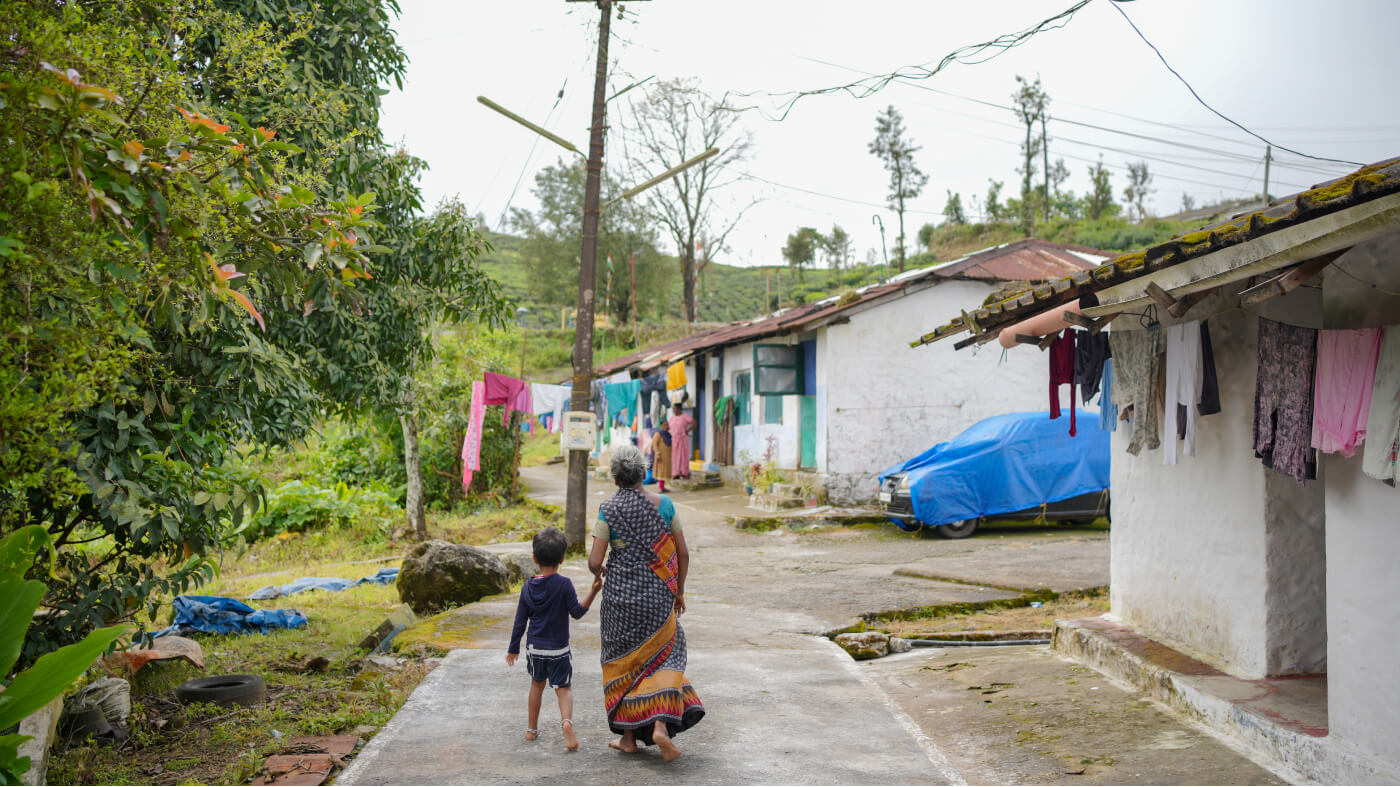
India is a land of extraordinary dynamism. Its geographical variety brings both beauty and challenge. With a vast coastline, expansive river basins, forested hills, and arid plains, the country faces a wide spectrum of natural hazards—from cyclones and earthquakes to floods, droughts, and landslides.
Nearly 27 of the 36 states and union territories are exposed to some form of disaster risk. This landscape of vulnerability is further shaped by rapid, often unplanned urbanisation, ecological degradation, development within hazard zones, and the unpredictable accelerant of climate change (National Disaster Management Authority, 2023). Disasters in India are no longer rare shocks. They are recurring tests of resilience.
Recognising this, the Government of India has moved from a relief-centric approach to a more integrated model of prevention, preparedness, and recovery, embedding disaster risk reduction within its broader development agenda. Yet in a country of such scale and complexity, no government can act alone. The Disaster Management Act of 2005 formally acknowledges the vital role of civil society organisations (CSOs), mandating their inclusion in preparedness and response efforts.
This is where the ESAF Foundation steps in—rooted in the community, guided by compassion, and committed to those who need it most.
D1
When the coastline vanished, that is where the Foundation began.
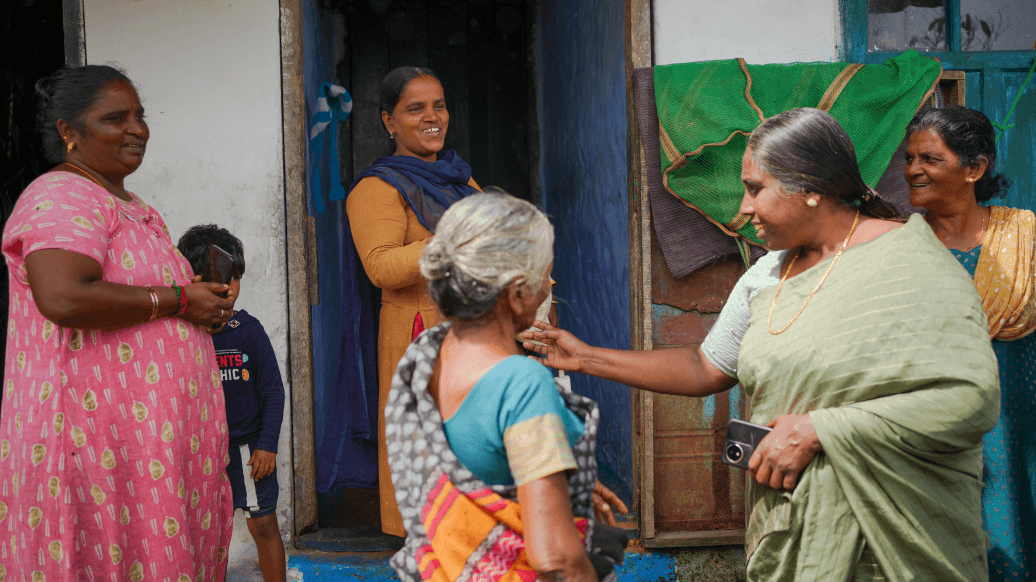
When the ESAF Foundation workers first arrived in the tsunami-hit villages of Tamil Nadu in late December 2004, it was as though the coastline itself had been erased.
Where streets once bustled with fishermen mending nets and children kicking footballs through the sand, there was now only sludge and silence. Boats lay splintered on the roads. Concrete homes had walls collapsed, roofs missing, and foundations washed away.
The air hung thick with the stench of salt, sewage, and decay. Trees had been uprooted and flung inland like broken twigs. Shattered fishing gear floated side by side in stagnant water. In some places, only temple towers or church steeples poked above the wreckage, half-standing, half-sinking.
People moved through this surreal landscape barefoot, dazed, and empty-handed. Many were searching for family members. Others simply sat, staring at the space where their homes had once stood.
Long after the waves receded, the ESAF Foundation remained—present, patient, and prepared to rebuild.
In partnership with organisations such as Food for the Hungry, EFICOR, Habitat for Humanity International, and HSI, ESAF Foundation provided food supplements to displaced families in Vaniakudi.
The organisation supported emergency relief in the initial weeks, then transitioned into long-term rehabilitation: rebuilding 258 damaged houses and fully reconstructing 71 homes in the worst-hit villages of Neerody and Marthandanthurai.
The Foundation also distributed 33 catamarans and fishing nets, helping restore both dignity and livelihood to traditional fisherfolk who had lost everything. Its teams worked shoulder to shoulder with survivors, not only to meet immediate needs, but to help mend the torn fabric of the community.
D3
When the rivers rose, so did ESAF.
Fast forward to August 2018. Kerala, often described as God’s Own Country—as gasping for breath. Weeks of relentless rain had turned rivers into oceans and streets into currents. Hillsides crumbled into brown torrents. Dams overflowed. Landslides carved through villages.
Entire districts, especially Idukki, appeared torn from their roots and sunk in silt. In place of lush backwaters and terraced fields stood ghost towns drowned in silence. Schools became shelters. Shops turned to rescue stations. Boats floated across highways, rooftops peeked above waterlines, and families clung to temple spires awaiting rescue.
It was the worst flood the state had experienced in nearly a century. When the ESAF Foundation teams reached the ground, they found tainted drinking water, destroyed food supplies, and collapsed sanitation systems. The first priority was clear: show up.
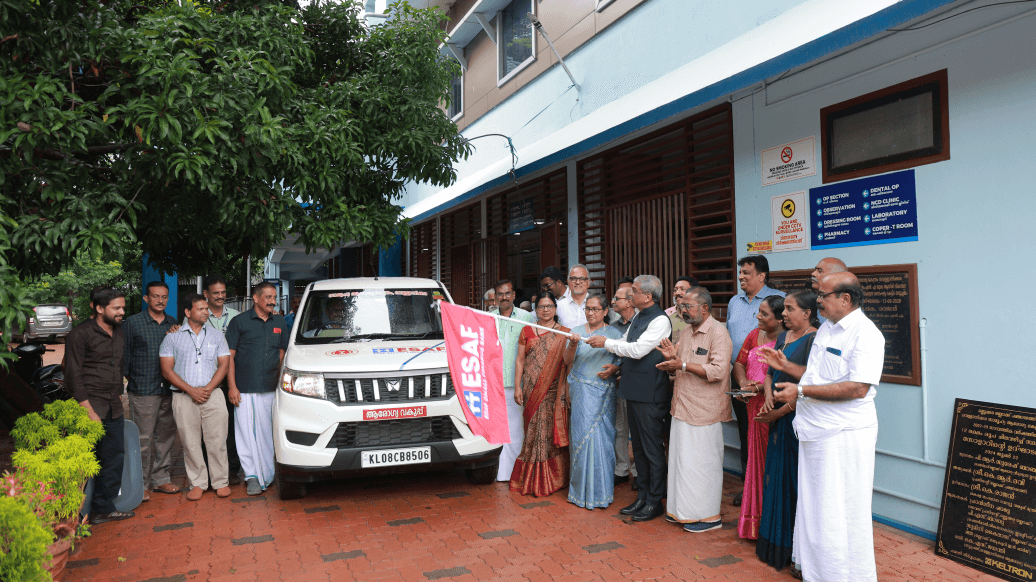
ESAF Foundation’s 2,000-strong team mobilised quickly—setting up relief centres, coordinating food and hygiene kit distribution, and navigating broken roads to deliver emergency assistance.
Over the following months, the organisation’s work deepened. The floods had not only destroyed homes, but swept through fields and futures.
ESAF Foundation supported 204 farmers in reclaiming 246 acres of farmland across tribal communities in Korangatty, Noorankara, and Chinnaparakudy.
For households led by single women, individuals with disabilities, and families on the social margins, the Foundation ensured that house renovation came with dignity restoration.
In remote villages where darkness had become the norm, ESAF Foundation and PHILIPS installed 100 solar street lights, restoring safety after nightfall.
And still, that was only the beginning.
With support from CARE India and others, the Foundation restored 105 wells and 33 community centres across 16 gram panchayats in Idukki district. Shelter kits and WASH (Water, Sanitation and Hygiene) supplies reached 95,802 families across 747 locations.
The organisation rebuilt 25 homes and repaired 50 others. Nine new homes were constructed and five flood-damaged schools were restored through partnerships with ESAF Small Finance Bank. Under the SATHI Project, delivered in collaboration with LIC Housing Finance Ltd, a further 15 schools, 10 Anganwadis, and a tribal hostel were refurbished in Thrissur district.
This was not merely disaster relief. It was recovery, anchored in quiet, steady, and local solidarity.
D4
When no one could breathe, ESAF brought air and trust.
Just as Kerala was beginning to recover from the floods, a new crisis arrived—unseen, unrelenting, and airborne.
It began with a cough. A fever. A neighbour falling ill.
Then came the breathlessness. The stretchers. The sirens.
By mid-2020, the COVID-19 virus had reached every panchayat. Daily wage workers were out of jobs. Shops were shuttered. Oxygen levels dropped as anxiety soared. Migrant labourers returned to their home states in waves, walking, cycling, hitching rides, only to find villages unprepared and hospitals overwhelmed. Fear became as contagious as the virus itself. Myths spread. Some refused vaccines. Others were too afraid to seek help.
In this atmosphere of confusion and crisis, ESAF Foundation’s SURAKSHA-21 programme offered a promise to reach those who had been left behind. The guiding principle was simple: No one is safe until everyone is safe.
With support from Opportunity International Australia, the Foundation launched a three-phased intervention across ten states—Kerala, Chhattisgarh, Madhya Pradesh, Maharashtra, Tamil Nadu, Karnataka, Odisha, Bihar, Jharkhand, and Uttar Pradesh.
First came awareness.
In 365 locations, 9,590 health educators were trained to combat misinformation and build public trust. Using locally tailored materials in regional languages, these campaigns reached more than 3.83 lakh people, addressing vaccine hesitancy and fear head-on.
Next came access.
ESAF helped establish 2,021 vaccination camps in seven states, administering 723,817 doses—many in areas where fewer than 1% of residents had access to a vaccination centre.
Finally came, reach.
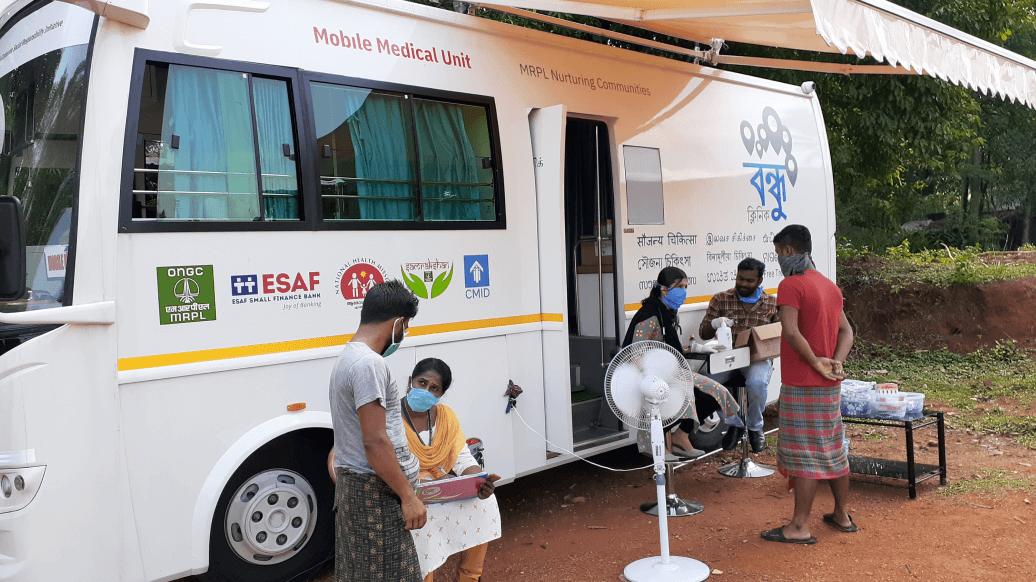
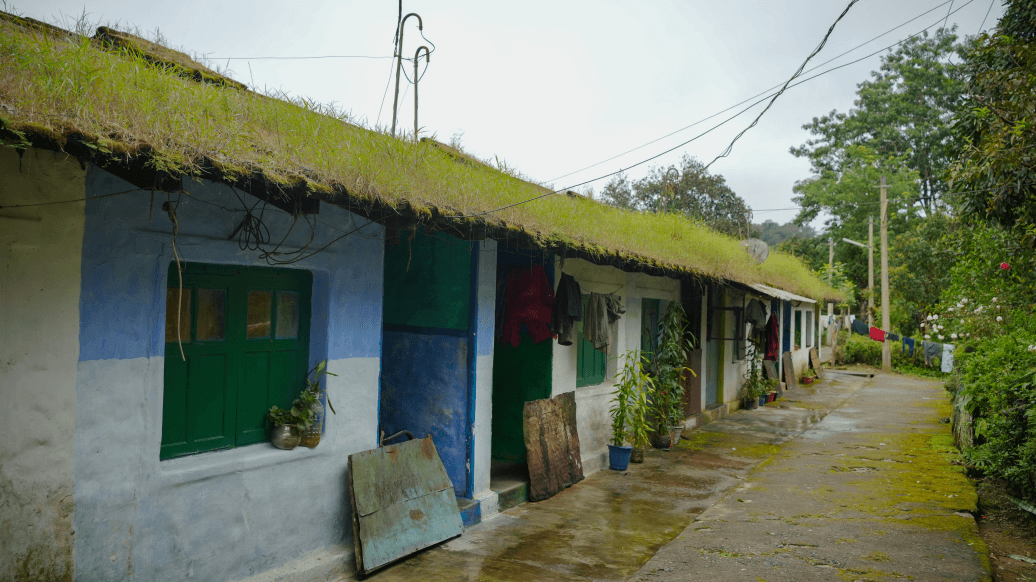
From Jharkhand’s mining belts to Kerala’s canal towns, SURAKSHA-21 deployed mobile vaccination units across two states, covering 8,800 kilometres to reach 1,552 individuals—tribal communities, pregnant women, palliative patients, and people with disabilities.
In doing so, it bridged distance, dismantled fear, and restored confidence.
D5
Beyond Relief: A Living Mission
The tsunami. The floods. A deadly virus. Three defining moments.
But the ESAF Foundation’s mission extends far beyond any single crisis.
Through its ongoing Emergency Relief and Community Interventions, the Foundation continues to support food security, rural health infrastructure, school rebuilding, climate resilience for farmers, medical outreach for remote populations, and social protection for the most marginalised.
If you wish to walk with the ESAF Foundation, there is always room.
Reference
National Disaster Management Authority (2023). Annual report 2022–2023 Government of India. https://ndma.gov.in/sites/files/PDF/Reports/Annual_Report_2022-2023.pdf